
Imagine you’re browsing an online store and see “Only 2 left in stock!” Suddenly, your decision feels urgent. Or you’re deciding between two subscription services, and one offers “100,000 happy users”—it immediately feels like the safer choice. These aren’t coincidences; they’re marketing tactics rooted in behavioral economics.
Behavioral economics teaches us that people don’t always act rationally. Instead, decisions are shaped by biases, emotions, and cognitive shortcuts. For marketers, understanding these biases isn’t just useful—it’s transformative. It allows us to design campaigns that tap into how people really think, not how we assume they think.
As we’ve explored in “Unlocking Insights: How Advanced Data Analysis is Transforming Digital Marketing,” customer behavior is often surprising. Behavioral economics provides the missing framework to make sense of these patterns and use them to craft more effective strategies.
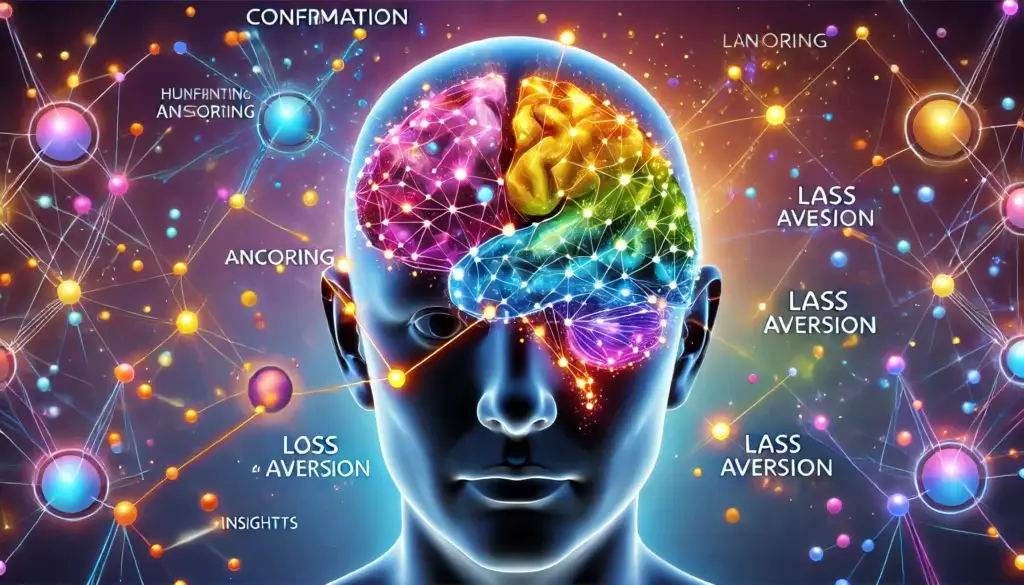
Key Behavioral Concepts in Marketing
- Loss Aversion:
- People fear losing something more than they value gaining the same thing.
- Example: Free trials framed with “Don’t miss out on this offer!” work because they highlight the cost of inaction.
- Social Proof:
- We tend to follow the crowd, especially when uncertain.
- Example: “Best-seller” labels or testimonials are effective because they validate our choices.
- Anchoring:
- The first piece of information we see (the “anchor”) influences how we perceive subsequent options.
- Example: Displaying the “original price” next to a discounted one makes the deal feel irresistible.
As discussed in “The Rise of Programmatic Advertising,” these biases are often leveraged in ad placements and creative elements, making campaigns feel more intuitive and compelling.
Insights from Experts
Rory Sutherland’s Alchemy brilliantly demonstrates how behavioral insights can create value in unexpected ways. He argues that the perception of value often matters more than the reality. For example, adding a small card to a bouquet of flowers enhances the perceived thoughtfulness far more than its cost.
Similarly, Daniel Kahneman’s Thinking, Fast and Slow delves into how cognitive biases shape decision-making. His research on “fast” (intuitive) thinking vs. “slow” (deliberate) thinking reveals why emotional appeals often outperform logical arguments in marketing.
Real-World Applications
- E-commerce Scarcity Tactics:
- Amazon’s “Only X left in stock” messages create urgency through loss aversion.
- Social Proof in Subscription Models:
- Netflix highlights popular shows like “Top 10 in Your Country Today” to validate viewing choices.
- Anchoring Discounts in Retail:
- Brands like Macy’s use high “was” prices to make sale prices seem like incredible deals.
Challenges and Ethical Considerations
- Overuse Can Backfire:
- If customers feel manipulated, they may lose trust in your brand. Authenticity is key.
- Cultural Sensitivity:
- Not all biases apply universally. Marketers must consider cultural nuances when applying behavioral strategies.
- Ethical Responsibility:
- Behavioral economics is powerful, but it should be used to create value for customers, not exploit them.
The Future of Behavioral Marketing
Behavioral economics isn’t just a toolkit—it’s a mindset. As digital marketing evolves, combining data-driven insights with behavioral principles will be the key to creating campaigns that resonate deeply.
As highlighted in “From Tools to Transformation: The New Role of Strategy in Digital Marketing,” tools are only as effective as the strategy behind them. Behavioral economics provides that strategic edge, helping marketers align with human psychology in ways that feel natural and impactful.
“Great marketing doesn’t just respond to customer behavior—it shapes it by tapping into the way people naturally think and feel.”

