
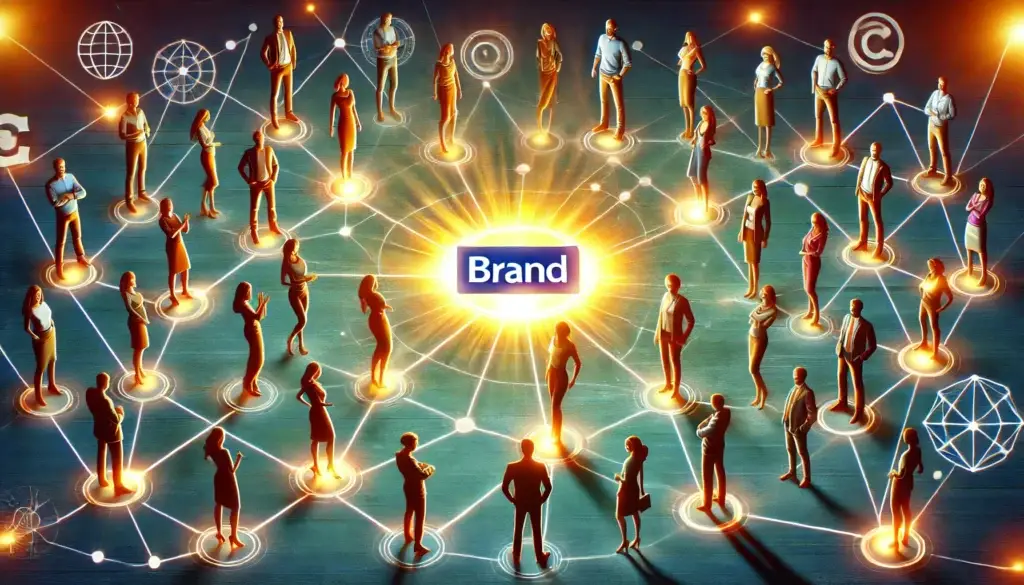
In an era of short attention spans and constant distractions, building a loyal community is one of the most powerful strategies a brand can employ. Followers may engage briefly, but communities advocate passionately.
As highlighted in “The Science of Storytelling,” stories forge connections. Communities amplify those connections by turning shared values into collective movements. In 2021, brands that successfully create communities are transforming customers into advocates, fostering loyalty that no competitor can easily replicate.
Why Communities Matter in Marketing
- Loyalty and Retention:
- Members of a community feel a sense of belonging, reducing churn and fostering deeper engagement.
- Example: Harley-Davidson’s riding clubs have turned customers into lifelong brand ambassadors.
- Advocacy:
- A passionate community spreads the word, often faster and more effectively than any ad campaign.
- Example: Peloton’s live classes foster connections among users, creating a movement that extends beyond fitness.
- Insight and Feedback:
- Communities provide direct, unfiltered insights into customer needs and preferences, shaping future products and campaigns.
Insights from Experts
Seth Godin’s Tribes reminds us that people crave connection. He argues that brands don’t just sell products—they lead movements by uniting people around shared beliefs.
Similarly, Gina Bianchini, founder of Mighty Networks, emphasizes the importance of niche communities. She explains that people join communities not just for content but for connection, collaboration, and a sense of purpose.
How Communities Differ from Audiences
Audiences are transactional—they consume content. Communities are relational—they interact with each other and with the brand.
| Audience | Community |
|---|---|
| Passive consumption | Active participation |
| Focused on content | Focused on connection |
| One-way communication | Two-way (or multi-way) dialogue |
Brands like Apple and LEGO have mastered this distinction, creating spaces where customers don’t just consume—they co-create and advocate.
Building a Strong Community: Key Principles
- Define Your Tribe:
- Identify shared values and aspirations that unite your audience.
- Example: Nike’s community isn’t just athletes—it’s anyone striving to achieve personal greatness.
- Create Spaces for Connection:
- Build platforms (forums, social groups, events) where members can interact.
- Example: Sephora’s Beauty Insider Community connects customers around shared interests and advice.
- Foster Engagement:
- Regular interaction—polls, challenges, and exclusive content—keeps communities vibrant.
- Empower Advocates:
- Give your community a voice, and they’ll amplify your message.
- Example: Starbucks’ “My Starbucks Idea” invited customers to submit and vote on ideas, strengthening loyalty through inclusion.
Challenges in Building Communities
- Authenticity is Non-Negotiable:
- Communities thrive on trust. Any sign of inauthenticity can undermine credibility.
- Consistency is Key:
- Communities require ongoing effort to nurture and grow.
- Not All Platforms Work:
- Choosing the wrong platform can stifle engagement. Brands must meet their communities where they naturally gather.
The Future of Community Building
As marketing evolves, communities will play an even greater role in driving growth. In a world where trust is paramount, communities offer brands a direct line to their customers, bypassing traditional gatekeepers and algorithms.
As discussed in “The Cookieless Future: What Marketers Need to Know Now,” the loss of third-party data makes first-party relationships more valuable than ever. Communities are the ultimate form of first-party engagement, creating connections that are authentic, scalable, and enduring.
“Followers consume your story. Advocates spread it. Communities write it with you.”

