
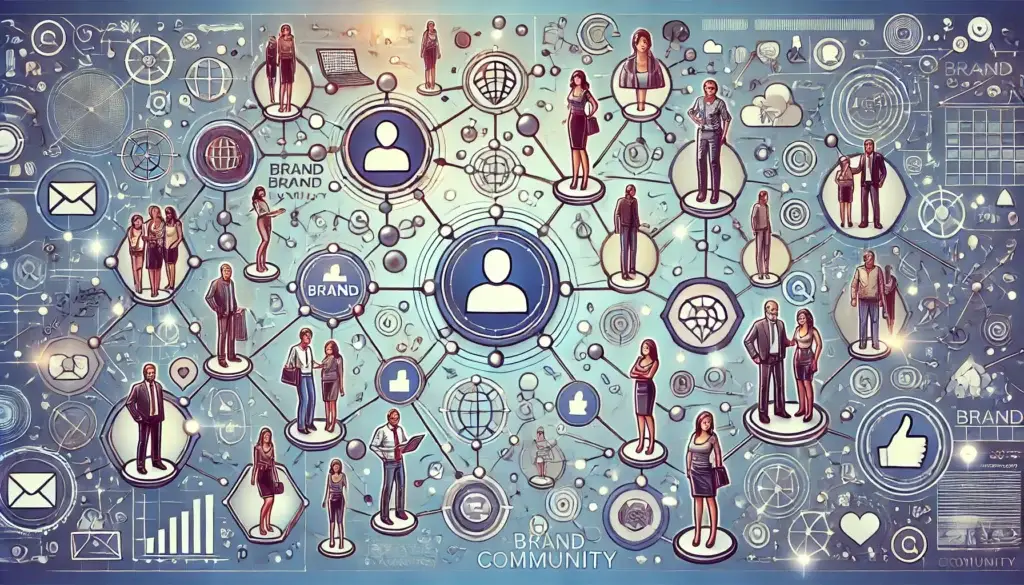
Once upon a time, marketing was about speaking loudly enough to be heard over the crowd. Then came social media, and the game changed—it wasn’t enough to talk; you had to listen. Now, in 2023, the real winners aren’t just talking or listening; they’re building communities.
As discussed in “From Followers to Advocates: The Power of Community in Marketing,” customers are no longer satisfied with being passive consumers. They want to be part of something bigger—a shared space where they feel seen, valued, and connected. The best brands today aren’t just selling products; they’re cultivating ecosystems where customers thrive together.
The Rise of Digital Ecosystems
What’s the difference between a customer and a community member? A customer buys your product. A community member believes in your mission.
Take Peloton, for example. Yes, it’s a fitness company—but its success lies in how it connects its users. With live classes, leaderboards, and social media integrations, Peloton isn’t just selling workouts; it’s creating a global movement. Members aren’t just participants; they’re advocates, bonded by shared goals and experiences.
This isn’t a one-off trend. It’s a fundamental shift. Communities like Glossier’s online beauty forums or Nike’s running clubs show how brands are becoming facilitators of connection, not just providers of products.
Why Communities Matter More Than Ever
In an age where customer acquisition costs are skyrocketing, loyalty has never been more valuable. And loyalty isn’t bought—it’s earned through connection.
When a customer feels part of a community, they become more than just a buyer—they become an advocate. They’ll defend your brand in forums, recommend you to friends, and even help co-create your next product. Communities don’t just drive sales; they drive culture.
Rory Sutherland describes this as “marketing that goes beyond transactions—it creates belonging.”
How to Build a Thriving Community
The best communities aren’t accidents; they’re intentional. They’re rooted in shared values, nurtured with authenticity, and sustained through meaningful engagement.
- Start with Purpose:
- Communities form around shared beliefs and aspirations. What does your brand stand for?
- Example: Patagonia’s commitment to environmental activism isn’t just a value—it’s the glue that holds its community together.
- Create Spaces for Connection:
- A community needs a home, whether it’s a private Facebook group, a Discord server, or a bespoke platform.
- Example: Sephora’s Beauty Insider Community thrives because it gives members a space to share, learn, and connect.
- Reward Participation:
- Recognition goes a long way. Celebrate your community’s contributions, whether through exclusive perks or public shoutouts.
- Example: Starbucks’ Rewards program isn’t just about free drinks—it’s about creating moments of delight that deepen loyalty.
The Challenges of Community Building
Building a community is not for the faint of heart. It requires time, resources, and, most importantly, consistency. A thriving community is a long-term commitment, not a one-off campaign.
Trust is non-negotiable. If your brand takes shortcuts or fakes authenticity, the community will see right through it. As Seth Godin reminds us in Tribes, “People can smell a phony from miles away.”
The ROI of Community
Communities don’t just generate revenue—they generate resilience. In uncertain times, they act as a brand’s safety net, offering loyal advocacy when it’s needed most.
But the real ROI isn’t just financial—it’s emotional. A strong community turns your brand from a vendor into a partner, a voice in a crowded market into a movement.
The Road Ahead
As automation and AI continue to dominate digital marketing, communities provide the human touch that technology can’t replicate. They’re not just about engagement; they’re about belonging.
The brands that thrive in the next decade won’t just have customers—they’ll have tribes, advocates, and collaborators.
“The future of marketing isn’t transactional—it’s relational. Build communities, and you’ll build more than loyalty—you’ll build legacy.”

